How Many Types of Yoga Are There? Exploring Every Major Style
We all know someone who raves about yoga, praising its power to transform both body and mind. Yet for many, yoga seems out of reach, conjuring images of impossible poses and superhuman flexibility.
Here’s the best part: yoga is not a one-size-fits-all journey.
With so many styles to choose from, each offering its own rhythm, focus, and energy, there is almost certainly a practice that feels tailor-made for you, whatever your background or fitness level.
In this article, we will uncover just how many types of yoga exist, dive into the most popular styles, and highlight what unites them, helping you discover the practice that suits you best.
Table of Contents
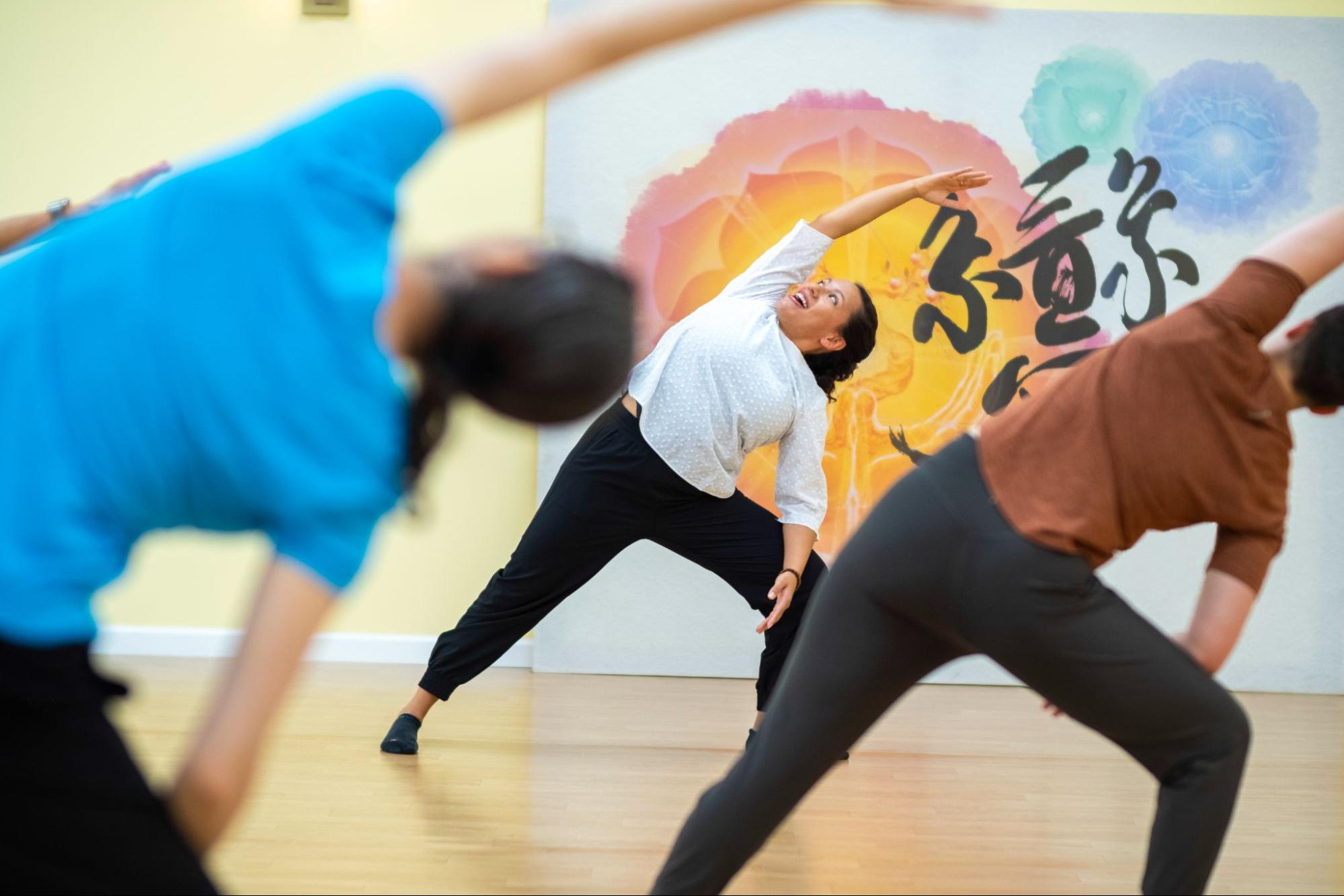
What Do All Styles of Yoga Have in Common?
The word comes from the ancient Sanskrit root yuj, meaning “to join,” “to yoke,” or “to unite.” Yoga is essentially about creating harmony between your body and mind.
There are many types of yoga, but they all share the same goal. Each style aims to connect your mind and body through mindful movement and focused breathing.
If you want to explore the connection between your mind and body, practices such as Korean yoga taught by Body & Brain Yoga Tai Chi instructors offer a unique way to listen to your body’s needs and build strength, flexibility, and awareness.

Main Components of All Styles of Yoga
While each style of yoga has its own approach, most share a few core components:
- Stretching: Gentle or strong movements that help you become more flexible and move more easily
- Mindful movements: Careful movements or positions that help you focus on both your body and your mind
- Breathing techniques: Special ways of breathing that can give you energy or help you relax
- Meditation: Exercises that help you become more aware and think more clearly
- Mind-calming techniques: Methods that reduce stress and encourage relaxation
How Many Types of Yoga Are There?
People practice dozens of yoga styles around the world. Still, most modern classes focus on a few well-known traditions. Each style has its own background, poses, and focus. While the word “yoga” comes from India, not every style started there.
Many popular yoga styles in the U.S. have been changed from their or created more recently to fit modern needs.
Even though yoga styles differ, most aim to through movement, breathing, and meditation.
To keep things simple, you might think of yoga practices in the U.S. as tending to fall into three categories. Learning about these can help you choose the style that fits your goals, including building strength, improving flexibility, or lowering stress.
Athletic Yoga
There are dozens of styles of yoga, for different purposes. Depending on the style that you choose, yoga as exercise can be physically demanding and designed to develop strength and stamina. In this category, , , and are popular in the U.S. for a challenging physical work-out.
Before jumping in, is athletic yoga what you need?
Limitations of these styles:
- Not easily adaptable for people with limitations
- for some physical conditions
- Intended as a work-out, rather than for mindfulness, meditation or relaxation
Specialized Yoga
Other forms of yoga found in the U.S. are more specialized, suited for people with specific wellness goals. Some are meant to develop flexibility, like ; or, focused on energizing the chakras, like ; or, for relaxation, like .
Before you choose a specialized practice, will it meet your needs?
Limitations of these styles:
- Lacking in strength training
- May not include mindfulness elements
- May not be sufficiently holistic to meet wellness goals
Holistic Yoga
Holistic yoga practices are guided by wellness principles and methods that support physical vitality as well as mind-body awareness, the development of mindfulness, and spiritual brightness. Korean-style yoga, like the Body & Brain Yoga Tai Chi practice, is a great example of the holistic style.
The elements of a yoga class are designed to help you activate, circulate and accumulate energy through active exercises, stretching, breathing and meditation. Underlying this holistic style of yoga is the ancient concept of (vital energy which travels through ) and energy balancing according to the principle “.” These traditions are enhanced with modern brain plasticity principles. The overall effect of this style of yoga can be both energizing and relaxing, with an increasing sense of wellbeing after regular practice.
If you’re looking for a balanced, easily-approachable yoga practice that addresses many more aspects of wellness than just exercise, consider these benefits:
Pros:
- Suitable for most ages, skill levels and conditions;
- Builds mind-body-spirit self-awareness;
- Supports wellness goals holistically;
- Easy to practice long-term while minimizing risk of injury.
What Do You Need to Know About Yoga?
Which Type of Yoga Is Best?
Considering the many types of yoga by category, it’s easy to see that the right type of yoga for you depends on what you like, your fitness level, what special interests you may have, and whether you’re looking for a practice that will help you develop your wellbeing beyond just a work-out.
Whether you are just starting out, or you’re ready to switch to a more holistic yoga practice, Korean yoga can help you connect your mind and body.
In the end, the best yoga is the one you enjoy and can stick with regularly.
Can Yoga Help With Stress or Anxiety?
Yes! Yoga styles that include breathwork and meditation can help you connect your mind and body while with breathwork and meditation.
Look for a yoga practice like Korean yoga that includes breathing exercises and guided meditation to help you feel calmer, more balanced, and better able to handle everyday stress.
How Often Should I Practice Yoga?
How often you practice yoga depends on your goals, schedule, and fitness level.
If you are just starting out with Korean yoga, instructors recommend trying two or three 1-hour classes each week, depending on your physical condition, to build a routine and learn the basics. As you get more comfortable, you can increase the number of sessions per week to boost your strength, flexibility, and focus.
Even a few minutes of or each day can help. The key is to stay consistent, listen to your body, and avoid pushing yourself too hard. You can find mini-classes with yoga stretches and mindful movement on the , to build healthy habits between full-length classes.
Is Yoga Suitable for All Ages?
Absolutely! Yoga is a good choice for people of most ages and fitness levels.
Yoga styles that are easily adaptable to your condition, like Korean yoga, are great for older adults or beginners. Kids can benefit from yoga by improving their focus, flexibility, and ability to manage emotions. For seniors, yoga can help them stay active, and .
It’s important to choose a style and intensity that matches your needs. If you decide on the holistic approach, schedule a Private Introductory Session with a qualified to discuss your wellness goals with you and help you decide what’s best.
Connect Your Mind, Body, and Spirit with Body & Brain Yoga Tai Chi
Yoga classes taught by Body & Brain Yoga Tai Chi instructors blend traditional Korean self-healing methods with modern approaches to help you stay healthy and feel your best over time.
Our friendly and experienced instructors help you become stronger, calmer and more balanced. Our energy yoga classes are easily adaptable for most levels and physical conditions, and include deep stretching, core exercises, breathwork and meditation. You can also find interesting variations, including body tapping, rhythm and vibration, and the use of traditional Korean self-healing tools like wooden pillows and sticks. You can also explore mindful movement alternatives to yoga, in Tai Chi and Qigong classes. No matter which kind of class you choose, your Body & Brain Yoga Tai Chi instructor can help you build strength, relax your mind, and improve your mood.
Along with our regular in-person and online classes, we offer yoga and wellness retreats. These retreats give you a chance to recharge both your body and your mind in a deeper way. Are you ready to try yoga in a way that works for you? today to book your first class or find out more about our retreats. We look forward to welcoming you!
The content in this blog should not be used in place of direct medical advice/treatment and is solely for informational purposes.